Advice
What a Funeral Celebrant Does and How to Prepare for Their Visit
A friendly guide to the celebrant’s role, the family meeting and what happens before the funeral
If a celebrant has been arranged to lead the funeral, they’ll usually contact you to arrange a conversation about the person who has died and the kind of ceremony you would like. Families sometimes worry that they need to have dates, stories, music and readings neatly prepared before that conversation takes place. You really don’t. The celebrant’s job is to listen, ask the right questions and help you turn your memories and ideas into a ceremony that feels right.
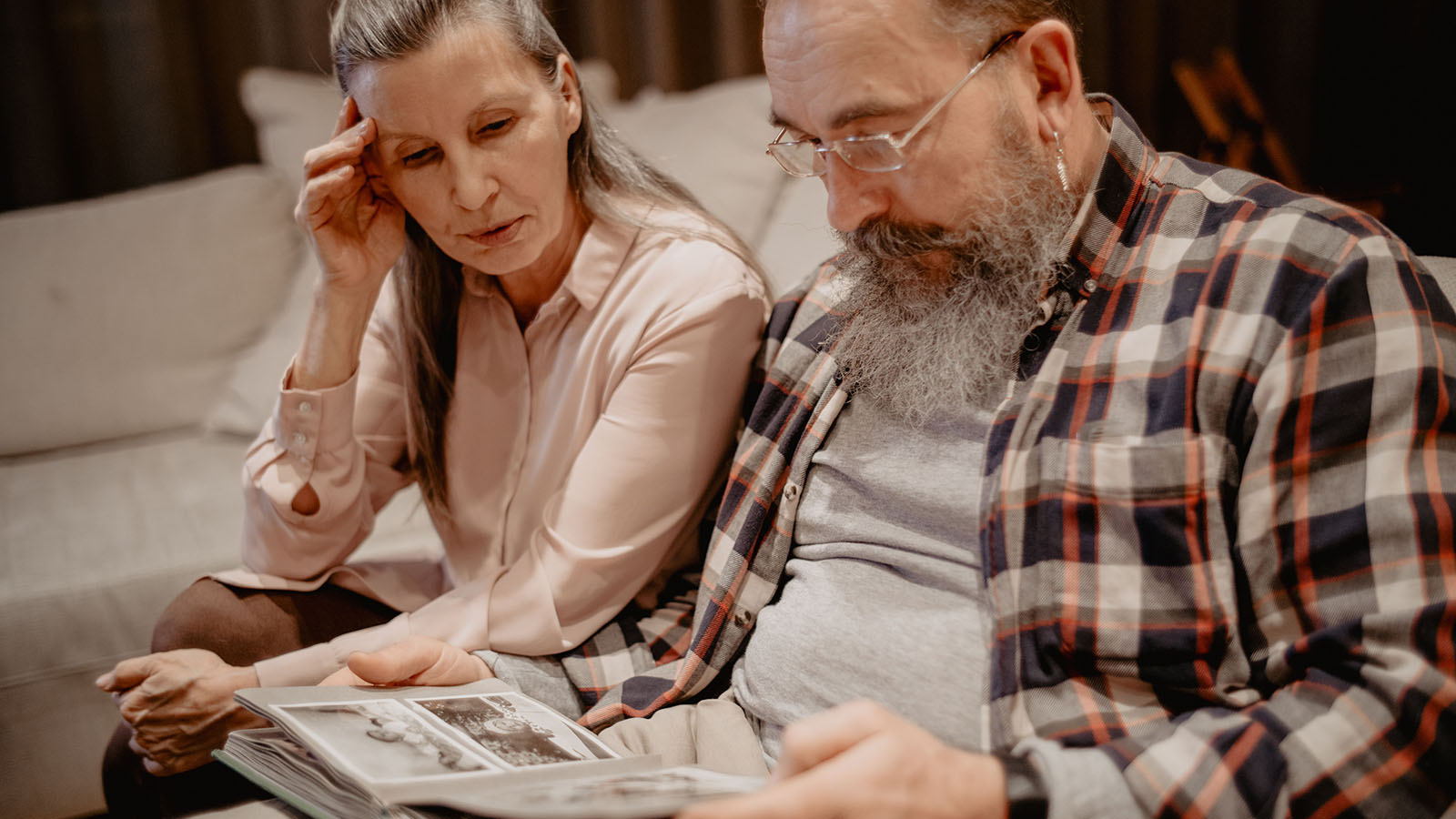
What does a funeral celebrant do?
A funeral celebrant helps a family plan and conduct the ceremony itself.
They’ll spend time learning about the person who has died, including their character, relationships, interests and the parts of their life that mattered most. From that conversation, they can help shape the order of the ceremony, write or support the main tribute and conduct the funeral on the day.
Their work may include:
- meeting the family and listening to their memories;
- helping decide the tone and structure of the ceremony;
- suggesting music, readings or moments of reflection;
- writing the main tribute or helping someone else prepare it;
- bringing contributions from different people into one coherent ceremony;
- checking names, dates and the pronunciation of unfamiliar words;
- liaising with the funeral director and other people involved; and
- conducting the ceremony on the day.
The celebrant doesn’t replace the funeral director. The funeral director remains responsible for the wider arrangements and the practical running of the funeral. The two work together, with the celebrant concentrating mainly on the ceremony and the funeral director coordinating everything around it.
Celebrant, humanist or minister?
These terms can become confusing when you’re arranging a funeral.
A minister or other faith leader normally conducts a service following the customs and beliefs of a particular religion.
A humanist celebrant conducts a non-religious ceremony centred on the life of the person who has died. There can still be time for quiet personal reflection, allowing people with different beliefs to remember or pray privately.
Civil and independent celebrants may offer ceremonies containing a mixture of non-religious and religious material. For example, a family might choose a largely personal ceremony but include a hymn, prayer or familiar religious reading.
There isn’t one form of ceremony that suits every family. It’s worth being open about the person’s beliefs and your own wishes so that the funeral director can help find an appropriate person to lead it.
What happens during the celebrant’s visit?
The celebrant will normally arrange to meet the people who knew the person best. This is often called the family visit, although it can take place at home, at another suitable location, by telephone or over a video call.
You can invite other relatives or close friends if their memories would be helpful. Equally, the meeting doesn’t need to involve a large group. Sometimes one or two people feel more comfortable speaking on behalf of the family and collecting contributions from others afterwards.
Try to allow enough time for an unhurried conversation. It may be emotional, but it will usually feel more like sharing memories than attending a formal interview.
The celebrant might ask about:
- where the person grew up;
- their family and important relationships;
- work, interests and achievements;
- habits, sayings and little things people remember;
- favourite music, books, places or pastimes;
- stories that show what they were really like;
- important turning points in their life;
- the values or beliefs that mattered to them; and
- how the family would like them to be remembered.
You don’t have to answer every question, and you can ask for something private or sensitive to be left out.
Do we need to prepare anything?
There’s no compulsory homework before the meeting. The celebrant can guide the conversation even if you haven’t written anything down.
If you would find it helpful, you could gather:
- a simple list of important names and relationships;
- a few key dates or places;
- photographs that bring particular memories to mind;
- music the person enjoyed;
- possible readings, poems or prayers;
- notes about hobbies, work or community life;
- stories contributed by relatives and friends;
- details of anyone who would like to speak during the funeral; and
- anything you definitely would—or wouldn’t—like mentioned.
Don’t worry if dates are uncertain or different relatives remember events differently. Those details can be checked after the meeting.
It’s also helpful to tell the celebrant how names should be pronounced, particularly surnames, nicknames and place names that may be unfamiliar.
It doesn’t need to sound like a life history
A good funeral tribute doesn’t have to account for every year of someone’s life.
A long list of schools, jobs, addresses and dates may be accurate, but it doesn’t always tell people much about the person they knew. Often it’s the smaller details that make a tribute feel genuine: the expression they always used, the meal they loved cooking, their stubborn streak, their terrible jokes or the way they quietly helped other people.
Families don’t need to pretend that someone was perfect either. Warmth and gentle humour can sit comfortably alongside sadness, provided the tone is kind and appropriate.
If there are difficult relationships or parts of the person’s life that need careful handling, speak privately with the celebrant. They can help find wording that is honest without causing unnecessary hurt.
Deciding what to include
The celebrant will help you think about the shape of the ceremony and how the available time can be used.
Depending on the funeral, this might include:
- opening and welcome words;
- music or hymns;
- the main tribute;
- readings or poetry;
- contributions from relatives or friends;
- a prayer or period of reflection;
- photographs or a visual tribute;
- the committal or formal farewell; and
- closing words and music.
You don’t have to include every element. A shorter, simpler ceremony can be just as personal as one involving several speakers and readings.
The funeral director will confirm what is practical at the chosen venue, including the available service time, music arrangements and any restrictions on displays or personal items. Our ideas for personalising a funeral may help if you would like some practical suggestions before speaking with the celebrant.
Who writes the tribute?
There are several ways to approach the main tribute.
The celebrant can write it using the memories shared during the family meeting. A relative or friend may prefer to write and deliver it themselves. Another option is for the family to provide written memories and ask the celebrant to bring them together and read the finished tribute.
There’s no expectation that a relative must speak. Reading aloud at a funeral can feel very different from speaking on an ordinary day, and asking the celebrant to read your words doesn’t make them any less personal.
If someone would like to speak but is worried they may not be able to finish, give the celebrant a copy. They can step in if needed without making a fuss.
Our guide to writing a eulogy contains more help with gathering memories and turning them into a tribute.
What happens after the meeting?
After the conversation, the celebrant will prepare the ceremony and confirm any information they still need.
Many celebrants provide the family with a draft or an opportunity to check the tribute before the funeral. This is the time to correct dates, names, pronunciations or anything that doesn’t sound quite right.
Try not to be worried about suggesting changes. The purpose of checking is to make sure the ceremony reflects the person accurately and feels comfortable for those closest to them.
Music choices, recordings and other practical details may need to be supplied by a particular deadline. The funeral director or celebrant will explain what is needed and when.
What does the celebrant do on the day?
The celebrant will normally arrive before the ceremony and speak with the funeral director to check that everything is ready.
During the service, they’ll welcome those attending, introduce music and readings, deliver the tribute where agreed, guide other contributors and bring the ceremony to its formal farewell.
They’ll also keep an eye on timing and respond calmly if somebody becomes upset, loses their place or decides they can’t speak. Families don’t need to manage the service themselves—the celebrant and funeral director will guide everyone through it. Our guide to what to expect at a funeral explains how the rest of the day normally fits around the ceremony.
What if relatives live elsewhere?
Not everyone needs to be in the same room for the family meeting.
Relatives and friends can contribute by telephone, video call, email or written notes. This can be particularly helpful when somebody lives overseas, is unwell or cannot travel before the funeral.
One person can also collect memories from a wider group and pass them to the celebrant. If several people are contributing, it helps to agree who will check the final details so the celebrant knows whom to contact with questions.
Questions you may want to ask
You can ask the celebrant anything that would help you feel more comfortable. Useful questions might include:
- Will we be able to check the tribute before the funeral?
- Can the ceremony include a prayer, hymn or religious reading?
- Can several people contribute memories?
- What happens if someone becomes unable to speak?
- When do you need our music and reading choices?
- Can a relative join the meeting by telephone or video?
- How long is available for the ceremony?
- Who should we contact if we remember something later?
There’s no need to understand the whole process before the first conversation. The celebrant, working with the funeral director, will help you make the decisions in a manageable order.
If the person recorded their preferences before they died, it’s helpful to have those notes available. Our guide to recording your funeral wishes explains what can be written down and shared with the people who may eventually arrange the funeral.